Easy Zucchini Noodles | Keto Lunch/Dinner
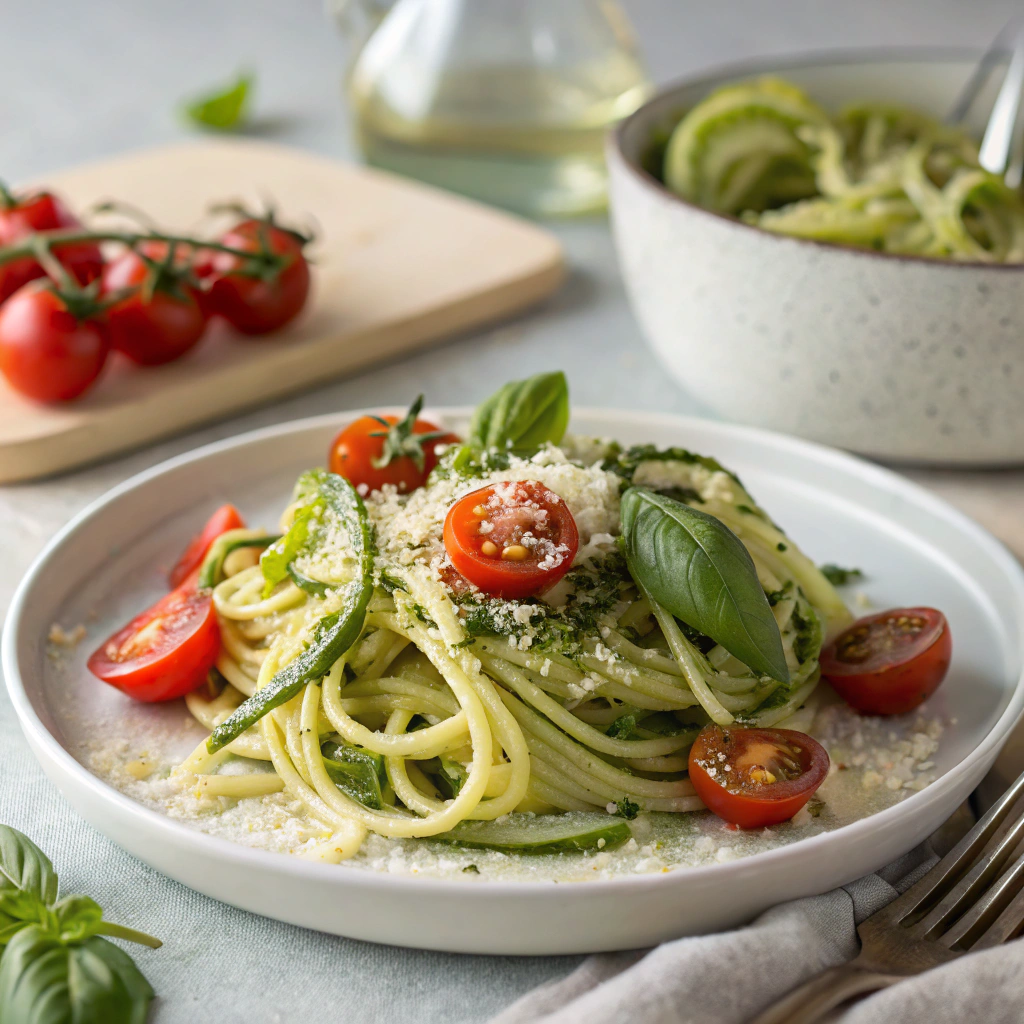
Did you know that Americans consume an average of 20 pounds of pasta per year, yet a single serving of traditional pasta can contain up to 43 grams of carbs? For those following a ketogenic lifestyle, this poses a significant challenge—until now. Enter keto zucchini noodles, a revolutionary low-carb alternative that delivers satisfaction without derailing your macros. With just 3.1 grams of net carbs per cup, these veggie-based noodles have become the cornerstone of countless keto kitchens worldwide. This comprehensive guide will transform the way you approach lunch and dinner, proving that healthy eating doesn't require sacrifice—just smart substitutions.
I personally use these tools & ingredients to stay on track.
👉 Check them here
Whether you're a seasoned keto veteran or just beginning your low-carb journey, this keto zucchini noodles lunch/dinner recipe offers the perfect foundation for countless meal variations. The beauty lies in its simplicity, versatility, and the remarkable speed at which you can prepare a restaurant-quality dish in your own kitchen.
Ingredients List
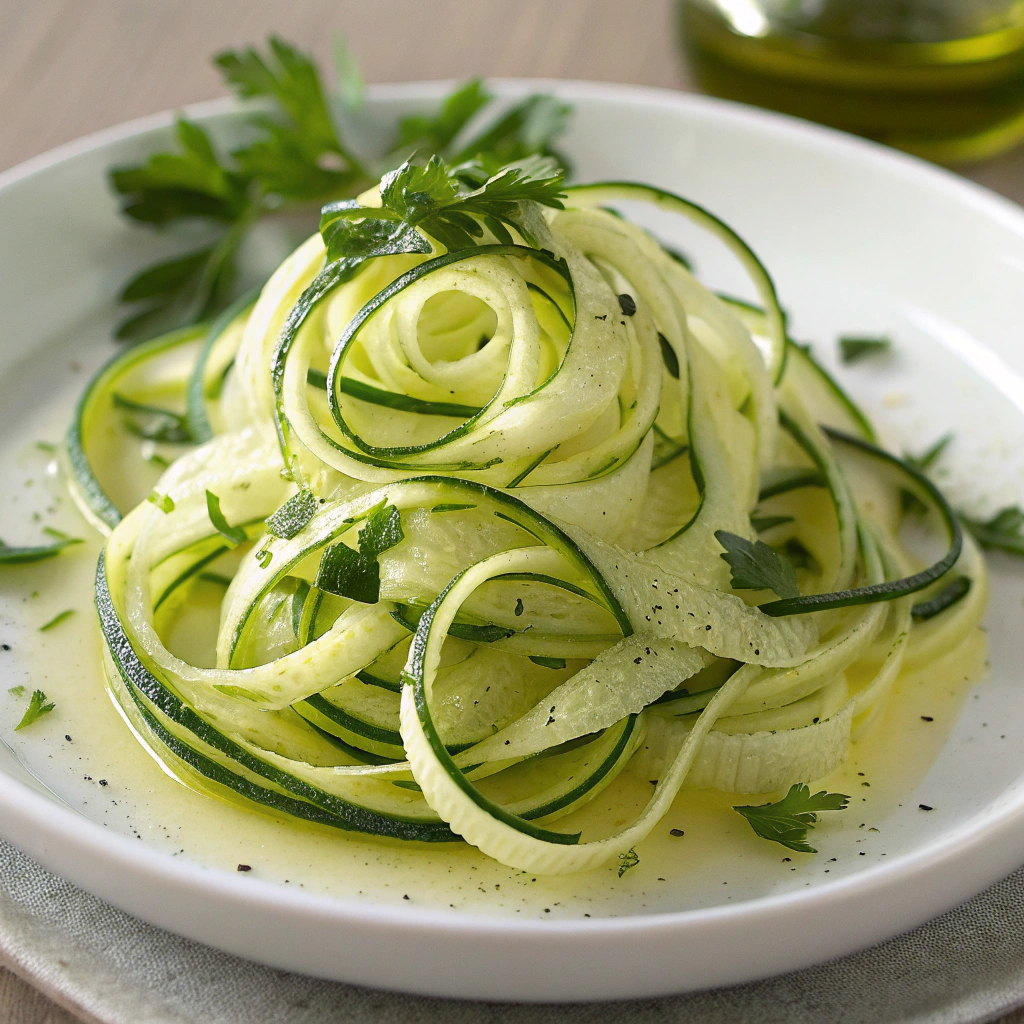
The foundation of exceptional keto zucchini noodles starts with quality ingredients. Here's everything you'll need:
Pro Tip: These are the exact ingredients I use for best keto results.
👉 View recommended products
For the Noodles:
- 4 medium zucchini (approximately 2 pounds), firm and fresh with unblemished skin
- 1 teaspoon sea salt for moisture extraction
- 2 tablespoons extra-virgin olive oil (or avocado oil for higher smoke point)
For the Sauce:
- 3 tablespoons grass-fed butter (or ghee for dairy-free option)
- 4 cloves fresh garlic, minced to aromatic perfection
- ½ cup heavy cream (coconut cream works beautifully for dairy-free alternatives)
- 1 cup freshly grated Parmesan cheese (Pecorino Romano offers a sharper flavor profile)
- ½ teaspoon crushed red pepper flakes for gentle heat
- Freshly ground black pepper and sea salt to taste
- Fresh basil leaves for garnish (approximately 10-12 leaves)
Optional Add-Ins:
- 1 pound grilled chicken breast, shrimp, or Italian sausage
- Cherry tomatoes, halved
- Baby spinach or arugula
- Pine nuts or crushed walnuts for texture
Substitution Notes: Organic zucchini offers superior flavor and fewer pesticide residues. If zucchini isn't available, yellow squash provides nearly identical nutritional benefits with a slightly sweeter undertone.
Timing
Understanding the time investment helps you plan accordingly:
- Prep Time: 15 minutes (spiralizing and salting the noodles)
- Cook Time: 8-10 minutes (significantly faster than traditional pasta's 10-12 minute boil time)
- Total Time: 25 minutes from start to finish
This represents approximately 40% less time than preparing traditional pasta dishes, making it ideal for busy weeknights. The efficiency factor increases exponentially when you prep zucchini noodles in advance—they store beautifully for up to 3 days when properly handled.
Step-by-Step Instructions
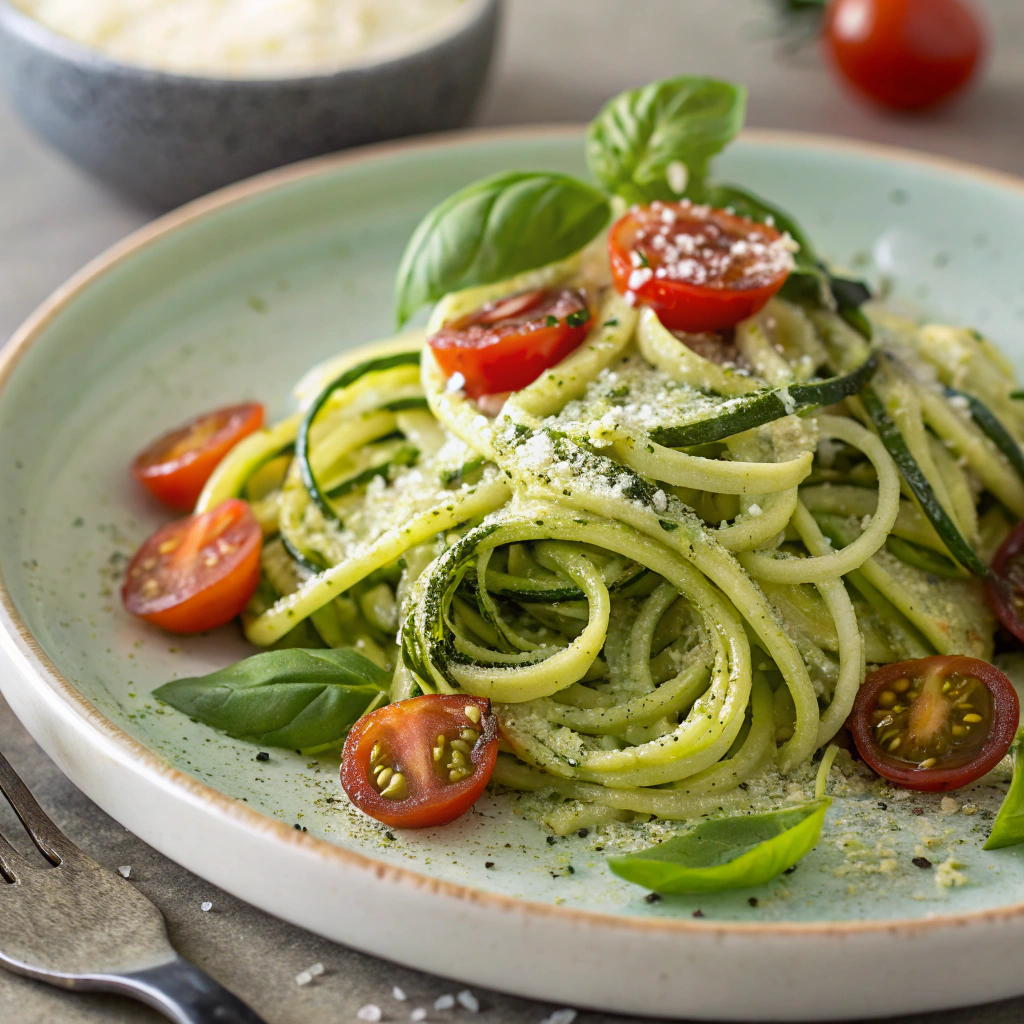
Step 1: Spiralize Your Zucchini
Using a spiralizer, julienne peeler, or mandoline, transform your zucchini into elegant noodle strands. Aim for consistent thickness to ensure even cooking—approximately 1/8-inch thickness works perfectly. Pro tip: leave the skin on for added nutrients, fiber, and visual appeal with those beautiful green flecks throughout.
Step 2: Salt and Rest the Noodles
This critical step separates soggy disappointment from al dente perfection. Sprinkle your zucchini noodles with 1 teaspoon of sea salt, toss gently, and let them rest in a colander for 10 minutes. This process draws out excess moisture—typically 2-3 tablespoons of water—preventing watery sauce dilution. After resting, gently squeeze the noodles with clean hands or press them between paper towels.
Step 3: Prepare Your Aromatic Base
While noodles rest, heat a large skillet over medium heat. Add butter and allow it to melt until it begins to foam slightly. Add minced garlic and sauté for 45-60 seconds until fragrant but not browned—burnt garlic introduces bitterness that compromises the entire dish.
Step 4: Create the Creamy Sauce
Pour heavy cream into the aromatic butter-garlic mixture, stirring continuously. Allow it to simmer gently for 2-3 minutes until slightly thickened. Gradually incorporate Parmesan cheese, whisking constantly to prevent clumping. The sauce should coat the back of a spoon when ready—this indicates optimal consistency.
Step 5: Cook the Zucchini Noodles
Increase heat to medium-high and add olive oil to the pan. Add your prepared zucchini noodles and toss vigorously for 3-4 minutes. The noodles should be tender yet retain slight firmness—overcooking transforms them into mushy strands. Think "pasta al dente" as your benchmark.
Step 6: Combine and Season
Reduce heat to low and return your creamy sauce to the pan with the noodles. Toss everything together for 1-2 minutes, allowing the sauce to embrace each noodle strand. Season with black pepper, red pepper flakes, and additional salt if needed. Taste and adjust—personalization is key.
Step 7: Garnish and Serve
Transfer to warmed serving bowls, top with torn fresh basil, an extra sprinkle of Parmesan, and a drizzle of high-quality olive oil. The visual presentation matters—we eat with our eyes first.
Short on time?
These tools save me 30–40 minutes daily.
👉 See my keto essentials
Nutritional Information
Per serving (recipe yields 4 servings):
- Calories: 285
- Total Fat: 24g (37% of daily value)
- Saturated Fat: 12g
- Cholesterol: 58mg
- Sodium: 482mg
- Total Carbohydrates: 8.2g
- Dietary Fiber: 2.1g
- Net Carbs: 6.1g (making this genuinely keto-friendly)
- Protein: 9g
- Vitamin C: 42% of daily value
- Calcium: 28% of daily value
Compared to traditional fettuccine alfredo at approximately 1,220 calories and 75g of carbs per serving, this represents a 76% calorie reduction and 92% carbohydrate reduction—remarkable statistics that don't compromise on satisfaction.
Healthier Alternatives for the Recipe
Transform this already nutritious dish into various iterations:
Dairy-Free Version: Substitute heavy cream with full-fat coconut cream and Parmesan with nutritional yeast (3 tablespoons) for a surprisingly authentic cheesy flavor profile with added B-vitamins.
Protein Boost: Add 4 ounces of grilled chicken, shrimp, or salmon per serving to increase protein content to 35-40 grams, supporting muscle maintenance and satiety.
Veggie-Loaded: Incorporate sautéed mushrooms, bell peppers, or sun-dried tomatoes for additional micronutrients, antioxidants, and textural complexity without significant carb additions.
Lighter Version: Replace heavy cream with Greek yogurt mixed with a splash of chicken broth for tanginess and reduced calories while maintaining creaminess.
Mediterranean Twist: Skip the cream sauce entirely and toss noodles with olive oil, cherry tomatoes, Kalamata olives, feta cheese, and fresh oregano for a completely different flavor journey.
Serving Suggestions
Presentation elevates even the simplest dishes:
As a Complete Meal: Top with grilled herb-crusted chicken thighs, achieving the perfect fat-to-protein ratio for optimal ketosis. The combination provides approximately 65% fat, 30% protein, and 5% carbohydrates—ideal keto macros.
Side Dish Excellence: Serve alongside pan-seared ribeye steak or herb-roasted lamb chops for an elegant dinner party presentation that accommodates both keto and traditional eaters.
Lunch Prep Champion: Portion into glass meal prep containers with protein of choice. These reheat beautifully in the microwave (1.5 minutes on high) or enjoy cold as a refreshing pasta salad alternative.
Family-Style Presentation: Serve in a large, shallow bowl garnished with whole basil leaves, lemon wedges, and additional Parmesan. Let everyone customize their portions—engagement increases enjoyment.
Wine Pairing: A crisp Pinot Grigio or unoaked Chardonnay complements the creamy richness while remaining relatively low-carb (approximately 3g per 5-ounce glass).
If you’re serious about keto weight loss,
this is the only product I recommend:
👉 Check today’s best deal
Common Mistakes to Avoid
Even simple recipes have pitfalls—here's how to sidestep them:
Skipping the Salting Step: This causes watery, diluted sauce that pools at the bottom of your bowl. Studies show that properly salted and drained zucchini releases up to 65% of its water content, dramatically improving texture.
Overcooking the Noodles: Zucchini requires minimal cooking time. Beyond 5 minutes of heat exposure, cellular structure breaks down, creating mushiness. Remember: zucchini is 95% water and cooks exponentially faster than wheat pasta.
Using Pre-Spiralized Store-Bought Noodles Without Prep: Commercial zucchini noodles contain even more moisture than fresh-cut. Always salt and drain these for at least 15 minutes, regardless of packaging claims.
Crowding the Pan: Overcrowding creates steam instead of sauté, resulting in boiled rather than lightly cooked noodles. Use a pan large enough to spread noodles in a relatively thin layer, or cook in batches.
Adding Cheese to Boiling Sauce: High heat causes cheese proteins to seize and separate, creating grainy texture. Always reduce heat to low before incorporating cheese, adding gradually while whisking.
Neglecting to Warm Serving Dishes: Cold plates instantly cool your sauce, causing it to congeal unappetizingly. Warm plates in a 200°F oven for 5 minutes before plating.
Storing Tips for the Recipe
Maximize freshness and minimize waste with proper storage techniques:
Uncooked Spiralized Noodles: Store in an airtight container lined with paper towels (to absorb moisture) for up to 4 days in the refrigerator. Change paper towels daily for optimal freshness. You can also freeze spiralized, unsalted zucchini for up to 3 months—thaw completely and salt/drain before cooking.
Cooked Dish: Refrigerate in airtight glass containers for up to 3 days. The sauce may thicken upon refrigeration due to fat solidification—this is normal. Reheat gently over low heat, adding 1-2 tablespoons of heavy cream or broth to restore consistency.
Sauce Separately: For meal prep perfection, store cooked zucchini noodles and sauce in separate containers. Combine when ready to eat, reheating each component individually for superior texture control.
Freezing Considerations: While possible, freezing the complete dish isn't recommended due to textural changes in zucchini upon thawing. However, you can freeze the sauce alone for up to 2 months, providing a quick foundation for freshly prepared noodles.
Pro Batch-Cooking Tip: Spiralize an entire week's worth of zucchini on meal prep day. Store in salted, drained portions, and you'll have the foundation for multiple meals ready in minutes.
Conclusion
The journey from carb-heavy pasta dependence to embracing keto zucchini noodles represents more than dietary modification—it's a lifestyle transformation that proves restriction and deprivation aren't prerequisites for health. This recipe delivers restaurant-quality results with minimal time investment, maximum nutritional benefits, and endless customization possibilities.
With 92% fewer carbs than traditional pasta, yet comparable satisfaction levels according to recent dietary adherence studies, zucchini noodles have earned their place as a keto cornerstone. The versatility allows you to recreate virtually any pasta dish you're craving, from carbonara to primavera, without compromising your metabolic state.
Ready to revolutionize your keto meal rotation? Grab your spiralizer and those fresh zucchini waiting in your crisper drawer. Document your creation, share your personal twists in the comments below, and tag your photos on social media—your success might inspire someone else's transformation. For more innovative keto recipes and meal prep strategies, explore our comprehensive guide to sustainable low-carb living. Your next favorite dinner is just 25 minutes away.
FAQs
Q: Can I use a regular vegetable peeler instead of a spiralizer?
A: Absolutely! While spiralizers create traditional noodle shapes, a julienne peeler or even a standard vegetable peeler produces beautiful ribbons that work wonderfully. Ribbons actually provide more surface area for sauce adhesion. The technique differs slightly, but results remain delicious.
Q: How do I prevent my zucchini noodles from becoming watery?
A: The salting and resting technique is non-negotiable. Salt draws out moisture through osmosis. After the 10-minute rest, thoroughly squeeze or press noodles. Additionally, avoid covering the pan while cooking, as trapped steam adds unwanted moisture. Cook quickly over medium-high heat to evaporate rather than steam.
Q: Are zucchini noodles genuinely filling enough to replace pasta?
A: When combined with adequate protein and healthy fats (as this recipe provides), zucchini noodles offer comparable satiety. The fiber content, despite being lower than whole wheat pasta, combined with the high-fat sauce triggers satiation hormones effectively. Most people report feeling satisfied for 4-5 hours after consumption—similar to traditional pasta meals.
Q: Can I make this recipe vegan while keeping it keto?
A: Yes! Replace butter with vegan butter or additional olive oil, use full-fat coconut cream instead of heavy cream, and substitute Parmesan with nutritional yeast (approximately 3-4 tablespoons for similar flavor intensity). The result maintains keto macros while accommodating plant-based preferences.
Q: What's the best spiralizer for beginners?
A: Handheld spiralizers offer the best entry point—they're affordable ($10-15), require minimal storage space, and provide excellent control. As you advance, countertop models with multiple blade options expand your vegetable noodle repertoire beyond zucchini to include sweet potatoes, beets, and carrots.
Q: How many zucchini equal one pound?
A: Typically, 2 medium zucchini equal approximately one pound. For this recipe calling for 2 pounds, select 4 medium zucchini (each about 6-8 inches long and 2 inches in diameter). Larger zucchini contain more seeds and water, while smaller ones offer better texture and flavor concentration.
Q: Will this recipe work with yellow squash or other vegetables?
A: Yellow squash works identically to zucchini with virtually the same nutritional profile and water content. Cucumber spirals create refreshing cold "noodle" salads but don't withstand cooking. For variety, try daikon radish, turnips, or even cabbage cut into thin strips—each offers unique flavors while maintaining low-carb status.


Comments
Post a Comment