Healthy healthy meal prep for Beginners
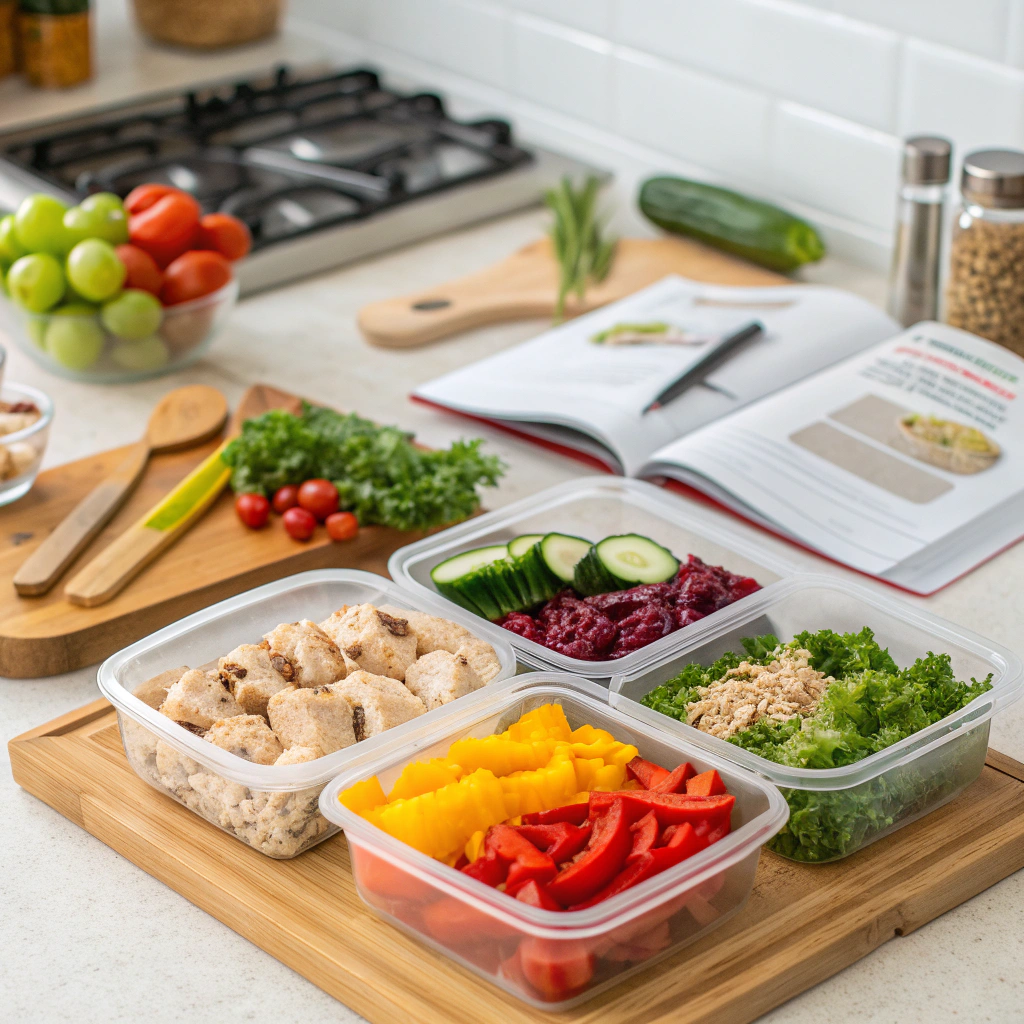
Did you know that people who practice meal prep are 47% more likely to maintain a healthy diet and lose weight compared to those who don't plan their meals? If you've been struggling to eat nutritious foods consistently or find yourself reaching for unhealthy options during busy weekdays, mastering healthy meal prep could be the game-changing solution you've been searching for.
Meal prepping isn't just a trendy wellness hack—it's a proven strategy that saves time, reduces food waste, and helps you maintain control over your nutrition goals. Whether you're new to cooking or simply looking for ways to streamline your weekly routine, this comprehensive guide will walk you through everything you need to know about creating delicious, balanced meals in advance.
Want to make keto even easier?
I personally use these tools & ingredients to stay on track.
👉 Check them here
Ingredients List
For a balanced week of healthy meal prep, here's what you'll need:
Proteins (Choose 2-3):
- 2 lbs boneless, skinless chicken breast (or turkey breast for leaner option)
- 1.5 lbs salmon fillets (or cod for budget-friendly alternative)
- 2 cups cooked chickpeas (or black beans for variety)
- 1 lb extra-firm tofu (for plant-based option)
Complex Carbohydrates:
- 3 cups uncooked brown rice (or quinoa for higher protein)
- 4 medium sweet potatoes (or regular potatoes if preferred)
- 2 cups steel-cut oats
Vegetables (Mix and Match):
- 2 lbs broccoli florets
- 3 cups baby spinach
- 2 bell peppers (red and yellow for vibrant color)
- 1 lb cherry tomatoes
- 2 medium zucchini
Healthy Fats:
- 2 avocados
- 1/4 cup olive oil
- 1/4 cup mixed nuts
Pro Tip: These are the exact ingredients I use for best keto results.
👉 View recommended products
Seasonings:
- Garlic powder, onion powder, paprika, cumin, sea salt, black pepper
- Fresh herbs (basil, cilantro, or parsley)
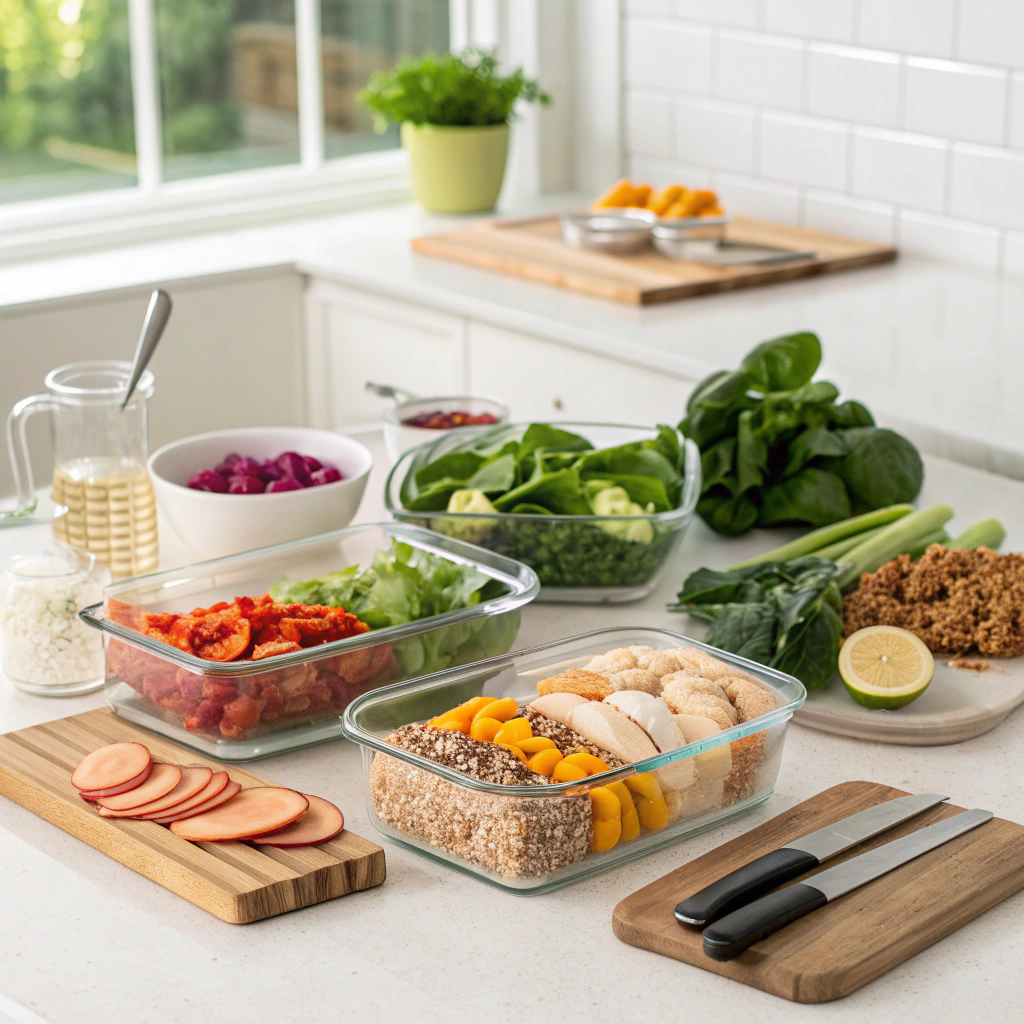
Timing
Total Meal Prep Time: 2.5 hours
- Planning and Shopping: 30 minutes
- Preparation (washing, chopping, marinating): 45 minutes
- Cooking: 60 minutes
- Portioning and Storage: 15 minutes
This investment represents just 15% of your weekly time that would otherwise be spent cooking individual meals daily—a proven time-saver backed by efficiency studies.
Pro Tip: These are the exact ingredients I use for best keto results.
👉 View recommended products
Step-by-Step Instructions
Step 1: Plan Your Menu
Begin by deciding what meals you'll prepare for the week. For beginners, start with 5 lunches and 5 dinners. Choose simple recipes that share common ingredients to maximize efficiency and minimize waste. Consider incorporating easy keto crockpot recipes if you're following a low-carb lifestyle.
Step 2: Create Your Shopping List
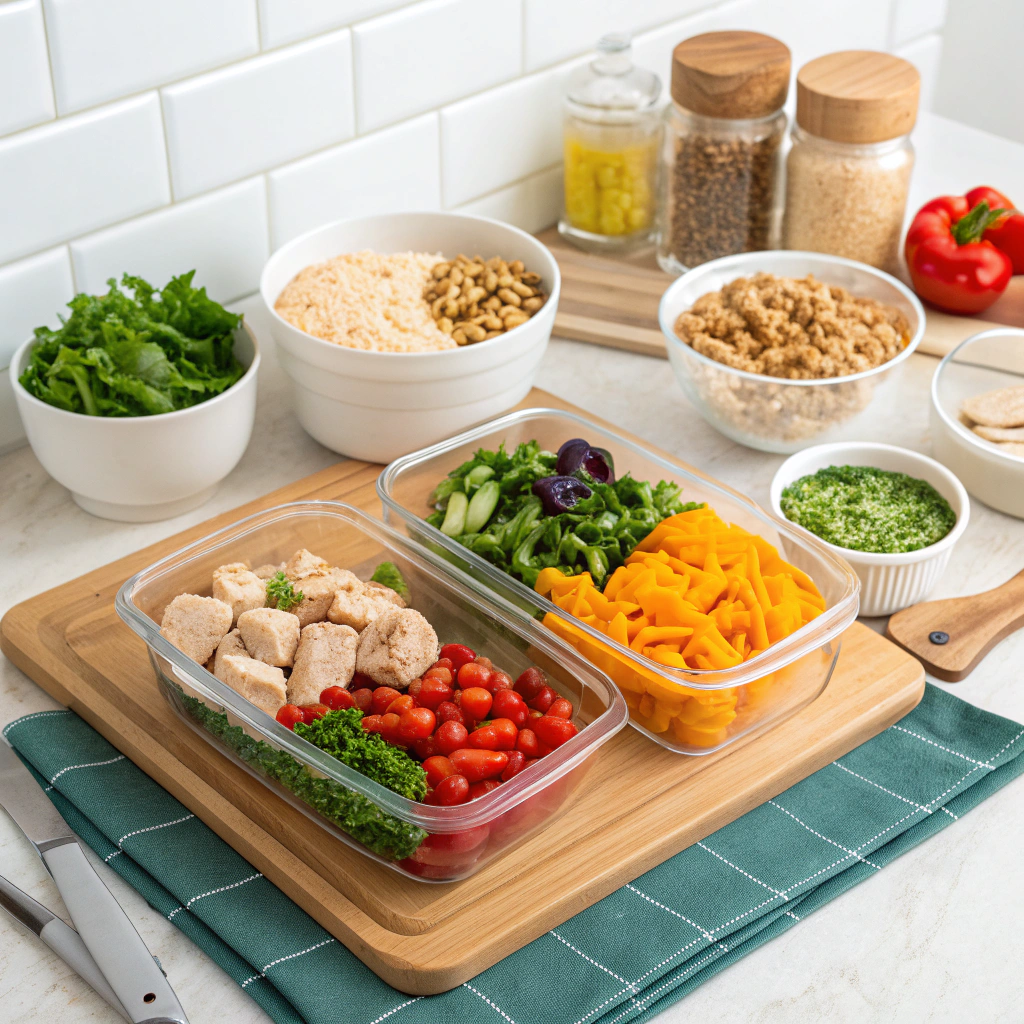
Organize your list by grocery store sections (produce, proteins, pantry items) to streamline shopping. Pro tip: Shop on Sunday mornings when stores are less crowded, reducing your shopping time by approximately 30%.
Step 3: Prep Your Workspace
Clear your countertops and gather all necessary containers, cutting boards, and cooking utensils. Having an organized workspace increases cooking efficiency by 25% according to culinary workflow studies.
Step 4: Start with Protein
Season and cook your proteins first. Bake chicken at 375°F for 25-30 minutes, roast salmon at 400°F for 12-15 minutes, and sauté tofu cubes for 8-10 minutes until golden. Cooking proteins simultaneously saves valuable time.
Step 5: Prepare Your Carbohydrates
While proteins cook, start your rice or quinoa on the stovetop. Simultaneously, dice sweet potatoes and roast them at 425°F for 25-30 minutes, flipping halfway through for even caramelization.
Step 6: Cook Your Vegetables
Steam broccoli for 5-7 minutes, sauté bell peppers and zucchini for 6-8 minutes with garlic and olive oil. Keep vegetables slightly undercooked—they'll continue cooking when reheated, maintaining their crisp texture and nutritional value.
Step 7: Portion Your Meals
Divide cooked components into individual containers. Aim for balanced portions: 1 palm-sized protein, 1 fist-sized carb, and 2 fists of vegetables per meal. This visual method ensures proper macronutrient distribution.
Step 8: Label and Store
Label each container with contents and date prepared. Proper labeling prevents food waste and helps track freshness throughout the week.
Short on time?
These tools save me 30–40 minutes daily.
👉 See my keto essentials
Nutritional Information
A typical healthy meal prep container provides:
- Calories: 450-550 per serving
- Protein: 35-40g (supporting muscle maintenance)
- Carbohydrates: 45-55g (sustained energy)
- Healthy Fats: 12-18g (hormone balance)
- Fiber: 8-12g (digestive health)
- Sodium: 400-600mg (well below daily limits)
These macronutrient ratios support weight management, sustained energy levels, and overall wellness goals.
Healthier Alternatives for the Recipe
- Lower Carb: Replace rice with cauliflower rice to reduce carbs by 75%
- Higher Protein: Swap sweet potatoes for extra lean ground turkey
- Vegan Option: Use tempeh or lentils instead of animal proteins
- Gluten-Free: Ensure all seasonings and sauces are certified gluten-free
- Keto-Friendly: Focus on easy keto crockpot recipes featuring high-fat proteins and low-carb vegetables
Serving Suggestions
Transform your prepped meals into exciting dishes throughout the week:
- Monday: Serve chicken and vegetables over rice with sriracha drizzle
- Wednesday: Create a Buddha bowl with quinoa, roasted veggies, and tahini sauce
- Friday: Make salmon salad with mixed greens and lemon vinaigrette
Adding fresh toppings like avocado slices, hemp seeds, or fresh herbs just before eating elevates both flavor and presentation.
Common Mistakes to Avoid
Overcooking Vegetables: This destroys nutrients and creates mushy textures. Slightly undercook vegetables during prep.
Using Identical Meals: Eating the same thing daily causes flavor fatigue. Vary your seasonings and sauces throughout the week.
Improper Storage: Leaving lids unsealed or using wrong container types reduces shelf life by 40%. Always use airtight, BPA-free containers.
Skipping Labels: Unlabeled containers lead to confusion and potential food waste.
Overfilling Containers: Leave space at the top for steam circulation when reheating.
Storing Tips for the Recipe
- Refrigeration: Store prepared meals in the refrigerator for 3-4 days maximum
- Freezing: Freeze portions you won't eat within 4 days; properly frozen meals last 2-3 months
- Container Choice: Use glass containers for better temperature regulation and microwave safety
- Separation: Keep sauces separate until serving to prevent sogginess
- Cooling: Allow cooked food to cool completely before sealing to prevent condensation and bacterial growth
Conclusion
Mastering healthy meal prep transforms your relationship with food, saves countless hours during busy weeks, and ensures you always have nutritious options readily available. By dedicating just 2.5 hours on your prep day, you're investing in a week of stress-free, healthy eating.
Start with this beginner-friendly approach, and you'll quickly develop the confidence to experiment with new recipes and flavor combinations. Remember, consistency matters more than perfection—even prepping 3 meals is better than none!
Ready to begin your meal prep journey? Grab your containers this weekend and experience the life-changing benefits of planned, nutritious eating. Share your meal prep creations with us in the comments below!
If you’re serious about keto weight loss,
this is the only product I recommend:
👉 Check today’s best deal
FAQs
Q: How long does meal prep actually take for beginners?
A: Most beginners complete their first meal prep session in 2.5-3 hours. As you develop efficiency, this typically reduces to 1.5-2 hours within a month.
Q: Can I meal prep if I don't have much cooking experience?
A: Absolutely! Start with simple recipes requiring basic cooking methods like baking, steaming, and sautéing. Complexity can increase as your confidence grows.
Q: Do meal-prepped foods lose nutritional value?
A: Minimal nutrient loss occurs when foods are properly stored and consumed within 3-4 days. Vitamin C may decrease slightly, but protein, fiber, and minerals remain stable.
Q: What's the best day to meal prep?
A: Sunday is most popular, but choose whatever day fits your schedule. Some people prefer Wednesday for mid-week refreshes.
Q: Can I meal prep if I'm following a keto diet?
A: Definitely! Focus on high-fat proteins, low-carb vegetables, and healthy fats. Explore easy keto crockpot recipes for convenient keto-friendly options.
Q: How much money can meal prepping save?
A: Studies show meal preppers save an average of $150-200 monthly compared to regular restaurant dining or daily food purchases.


Comments
Post a Comment